
Pertubuhan Sains & Kesejahteraan
Science & Wellness Organisation
(PPM-013-05-16022012)
Special Consultative Status with the United Nations Economic and Social Council


Understanding Waterborne Diseases
What Are Waterborne Diseases?
Waterborne diseases are caused by harmful bacteria, viruses, or parasites that spread through contaminated water. These microorganisms can enter the human body through drinking, cooking, bathing, or even inhaling mist from contaminated sources. Once inside, they can cause anything from mild discomfort to life threatening illness.

What’s Hiding in Your Water?
The Truth About Waterborne Disease

According to the World Health Organization (WHO),
1.8 billion people globally use water sources contaminated with fecal matter.
The consequences are severe: unsafe water, sanitation, and hygiene contribute to an estimated 1.4 million preventable deaths every year.
Common Waterborne Bacteria and Associated Illnesses
Cholera
Caused by Vibrio cholerae, cholera leads to severe diarrhea and dehydration. It spreads through contaminated drinking water, raw produce, seafood, and improperly stored cooked grains.


Typhoid Fever
Caused by Salmonella Typhi, this illness results in high fever, weakness, and gastrointestinal symptoms.


E. coli, Campylobacter, and Shigella
These bacteria are common culprits of gastroenteritis, causing symptoms like diarrhea, vomiting, and abdominal pain.


Legionnaires’ Disease
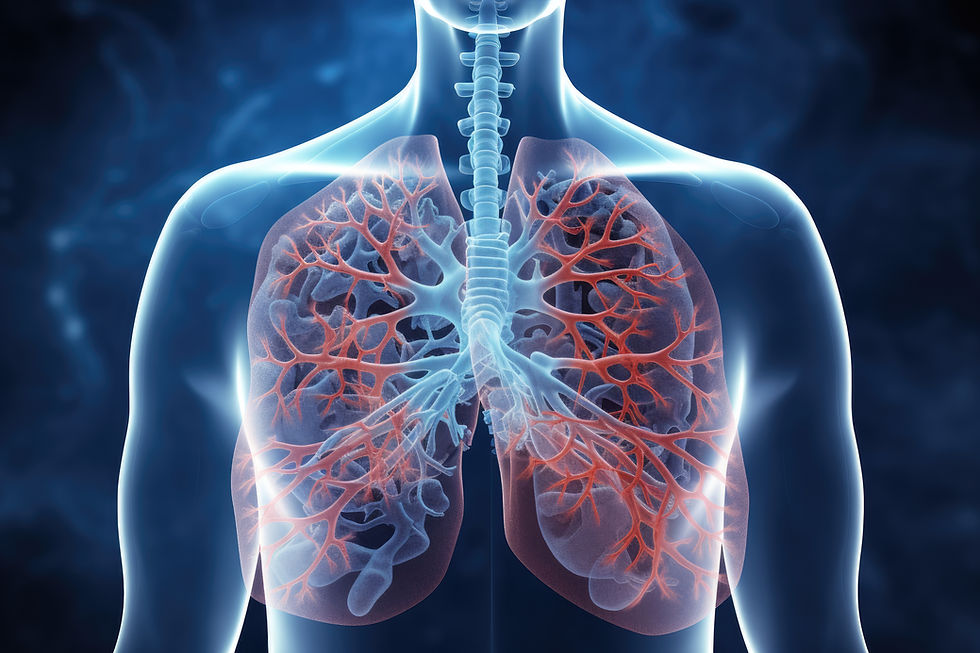
Caused by Legionella pneumophila, this serious lung infection spreads not by drinking water, but by inhaling contaminated droplets from sources like air conditioners, showers, fountains, or hot tubs. Older adults, smokers, and those with weakened immune systems are especially vulnerable.



How Do Waterborne Diseases Spread?


Water can become contaminated in various ways, including:
-
Fecal contamination from inadequate waste management or open defecation
-
Flooding, which can mix sewage with drinking water sources
-
Poor sanitation infrastructure, over 3.5 billion people globally still lack safely managed sanitation
-
Neglected water systems in buildings, leading to bacterial growth like Legionella
Who Is at Risk?
While anyone can contract a waterborne illness, certain groups are particularly vulnerable:
Children under five
Elderly individuals
People with chronic illnesses or weakened immune systems

Prevention: What You Can Do
Protecting yourself and your family is possible with the right precautions:
Wash fruits and vegetables with clean water
Install and service water filters in homes and buildings
Maintain sanitation systems (toilets, septic tanks, and wastewater systems)
Practice proper hand hygiene, especially before eating or after using the restroom
Boil water during flood events or outbreaks
Use only treated water for drinking and food preparation (filtered or boiled)
Regularly clean and inspect plumbing and water storage tanks
Conduct regular water quality testing to detect bacterial contamination early