
Pertubuhan Sains & Kesejahteraan
Science & Wellness Organisation
(PPM-013-05-16022012)
Special Consultative Status with the United Nations Economic and Social Council


Household (Indoor) Air Pollution
The Invisible Health Risk Inside Our Homes
Indoor air pollution, referred to by the World Health Organization (WHO) as household air pollution, is a major global health risk. It occurs when polluting fuels and technologies are used inside homes for cooking, heating, or lighting, particularly in poorly ventilated spaces.
According to WHO, household air pollution is one of the leading environmental risk factors for disease and premature death worldwide, despite being largely preventable.

What is Household (Indoor) Air Pollution

Image source: Unsplash - Photo by MD Duran
WHO defines household air pollution as pollution arising from the combustion of polluting fuels, such as:
-
Wood
-
Charcoal
-
Coal
-
Crop waste
-
Dung
-
Kerosene
These fuels are often burned using inefficient technologies, including open fires and basic stoves. Their combustion releases high levels of harmful pollutants, including:
-
Fine particulate matter (PM2.5)
-
Carbon monoxide (CO)
-
Black carbon
-
Polycyclic aromatic hydrocarbons (PAHs)
-
Volatile organic compounds (VOCs)
WHO measurements show that PM2.5 concentrations inside homes using solid fuels can reach 150 - 1,200 µg/m³, which is 30 to 240 times higher than the WHO guideline value of 5 µg/m³. These levels are considered acutely and chronically hazardous to health.
Global Burden of Household Air Pollution
Despite decades of progress, household air pollution remains widespread:
2.1 billion
people globally still rely on polluting fuels and technologies for cooking
3.2 million
deaths worldwide in 2019 linked to household air pollution
332,000
deaths occurred among children under five years old
Source: World Health Organization (WHO)
WHO states that household air pollution mainly affects people living in low and middle-income countries, particularly poor households, rural areas, and urban slums.

Health Effects of Household Air Pollution
WHO identifies household air pollution as a leading risk factor for both noncommunicable and infectious diseases.
Respiratory Diseases
WHO reports that exposure to household air pollution increases the risk of:
-
Acute lower respiratory infections, including pneumonia
-
Chronic obstructive pulmonary disease (COPD)
-
Tuberculosis
WHO estimates that around 45% of pneumonia deaths in children under five are attributable to household air pollution exposure
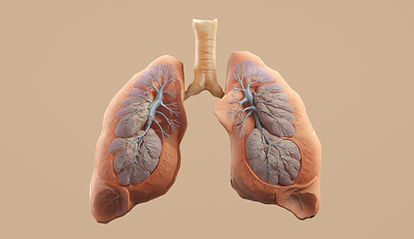
Image source: Unsplash - Photo by Aakash Dhage
Cardiovascular Diseases
WHO has identified household air pollution as a risk factor for:
-
Ischaemic heart disease
-
Stroke
These cardiovascular conditions account for a substantial share of household air pollution related deaths globally.

Image source: Unsplash - Photo by Europeana
Cancer
WHO has identified household air pollution as a risk factor for:
-
Lung cancer, particularly from exposure to coal and biomass smoke
WHO also reports emerging evidence linking household air pollution exposure to non-lung cancers, including:
-
Nasopharyngeal cancer
-
Laryngeal cancer
WHO notes that evidence for these cancers is growing and continues to be evaluated.

Image source: Unsplash - Photo by National Cancer Institute
Pregnancy, Infant, and Child Health Outcomes
WHO reports that household air pollution exposure is associated with:
-
Low birth weight
-
Preterm birth
-
Small for gestational age births
-
Child growth faltering, including stunting and undernutrition
Prenatal exposure has also been linked to impaired lung function development and increased respiratory infections in early childhood.

Image source: Unsplash - Photo by Blond Fox
Other Health Effects
WHO has identified household air pollution as a risk factor for:
-
Cataract
WHO also reports emerging evidence linking household air pollution exposure to:
-
Cognitive impairment
-
Diabetes
-
Decreased renal function
-
Cellular ageing
WHO highlights that the full health burden of household air pollution is likely underestimated, as evidence continues to develop beyond traditionally recognised health outcomes.

Image source: Unsplash - Photo by Blond Fox
Populations at Higher Risk

Image source: Unsplash - Photo by Ajoy Das
Exposure to household air pollution does not affect everyone equally. Certain groups face significantly higher risks due to longer exposure durations, biological vulnerability, or living conditions.
Those most affected include:
-
Women - who are often responsible for cooking and therefore experience prolonged exposure
-
Infants and young children - whose lungs and immune systems are still developing
-
Older people - particularly those with reduced lung or heart function
-
People with underlying health conditions - such as respiratory or cardiovascular disease
-
Refugee and migrant communities - where access to clean fuels and safe cooking technologies may be limited
These groups often experience higher exposure levels and more severe health consequences.
Clean Household Energy: A Proven Solution
The most effective way to reduce household air pollution is a transition to clean household energy.
Clean fuels and technologies include:
-
Electricity
-
Liquefied petroleum gas (LPG)
-
Biogas
-
Solar
-
Alcohol
-
Advanced biomass stoves that meet emission guideline levels
WHO intervention trials show that clean cooking solutions can reduce exposure to harmful air pollutants by 60–80% or more, provided they are used consistently.
Why Household Air Pollution is a Broader Public Health Issue
Household air pollution is not confined to the home. Its impacts extend to the wider environment and society, creating risks that go beyond individual health.
It:
-
Worsens ambient (outdoor) air quality- as pollutants released indoors disperse into surrounding communities
-
Contributes to global climate change - particularly through emissions of black carbon
-
Has gendered livelihood impacts - as women are often disproportionately affected through time spent cooking, fuel collection, and exposure
-
Degrades the local environment - including deforestation and ecosystem damage linked to fuel use
Reducing household air pollution therefore delivers health, environmental, and social benefits simultaneously, making it a critical public health and sustainability issue.

Public Health Implications
Household air pollution remains a major but preventable threat to health, particularly for women, children, and vulnerable communities. Improving indoor air quality through access to clean household energy is essential to reducing disease, protecting early childhood development, and preventing avoidable deaths.
In response to these challenges, the Science & Wellness Organisation (SWO) is advancing its Global Clean Air Campaign, with a strong focus on disease prevention, public education, and evidence-based action. The campaign seeks to address health risks associated with air pollution by strengthening awareness of preventive measures, supporting informed decision-making, and reinforcing clean air as a fundamental public health priority.
Ensuring clean air in homes and communities is critical to protecting population health, reducing preventable disease, and supporting long-term societal well-being.